
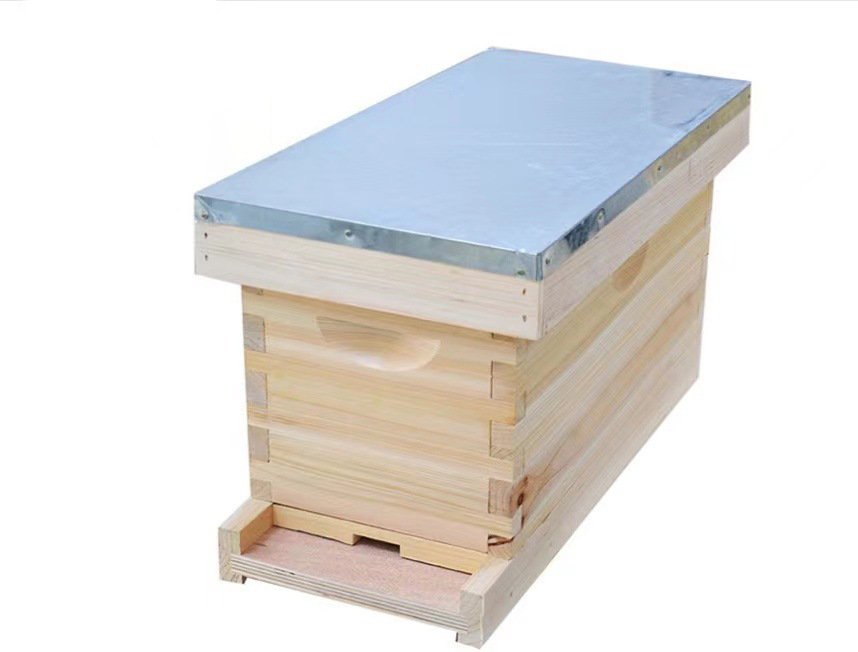
Two importers can bring in the same shipment of beekeeping equipment and pay different duty, because the code they declare depends on what the goods are made of and what they do, not on who sells them. Beekeeping kit is awkward to classify precisely because a “hive order” usually contains wood, plastic, stainless steel and textiles in one container, and each of those sits in a different chapter.
This is written for distributors and importers who need to quote landed cost before they order, not after the container arrives. Every code below is a starting point, not a ruling.
How the code is built
The Harmonized System is maintained by the World Customs Organization. The first six digits are international: two for the chapter, two for the heading, two for the subheading. Everything after that is national.
| Destination | Code length used at import | Where to confirm it |
|---|---|---|
| United States | 10 digits (HTSUS) | USITC Harmonized Tariff Schedule, hts.usitc.gov |
| European Union | 8 digits (Combined Nomenclature), 10 digits in TARIC | EU TARIC database |
| United Kingdom | 10 digits commodity code | UK Trade Tariff |
| Any destination | 6 digits, international | WCO HS Nomenclature, current edition |
The edition matters and it moves. HS 2022, the seventh edition, has been in force since 1 January 2022 and is the edition in force today. HS 2028, the eighth edition, enters into force on 1 January 2028. The WCO describes HS 2028 as comprising 299 sets of amendments: against HS 2022, 428 subheadings are created and 172 deleted, six headings are created and five deleted, leaving 1,229 headings and 5,852 subheadings. Correlation tables between the two versions were published in 2026.
The operational point for a buyer: a code that has been correct for three years can move at an edition boundary. If you keep a standing product file with codes, re-check it in the year before 1 January 2028.
Where the main product families land
The single most useful idea is that the system classifies beekeeping goods by material and function, not by the fact that they are used with bees. There is a bee-keeping machinery heading, but it is narrower than most people assume.
| Product | Material or function driver | Heading normally used | Illustrative duty, with source |
|---|---|---|---|
| Wooden hive bodies, floors, roofs, frames | Articles of wood, not specified elsewhere in Chapter 44 | 4421 | UK commodity code 4421 99 99 99 shown at 0% ordinary duty, UK Trade Tariff, read 8 October 2026 |
| Centrifugal honey extractors | Centrifuges | 8421, subheading 8421.19 | US HTS 8421.19.00.00 general rate 1.3%, Column 2 25%, unit No.; EU TARIC 8421192000 shown at 1.50%; UK 8421197000 shown at 0% |
| Honey presses, comb foundation machines | Bee-keeping machinery is named in the heading text | 8436, subheading 8436.80 | US HTS 8436.80.00 base rate free; additional Chapter 99 measures apply by origin |
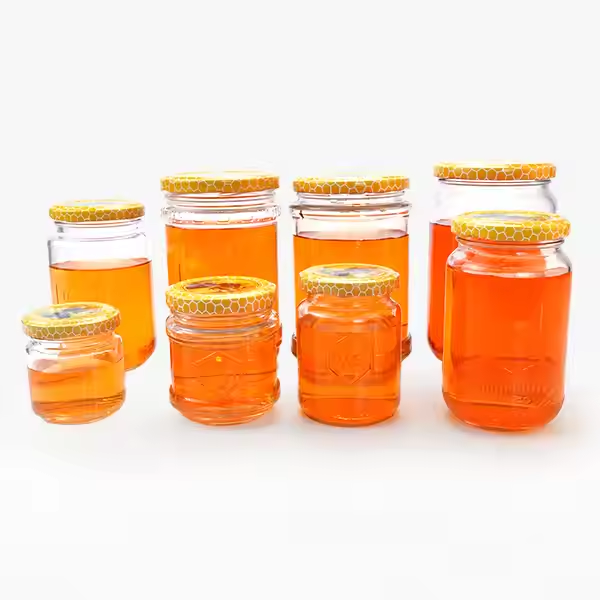
| Glass honey jars | Glass containers for packing goods | 7010, subheading 7010.90 | US HTS 7010 general rate free |
| Plastic honey jars and squeeze bottles | Plastic containers for packing goods | 3923, subheading 3923.30 | US 3% MFN; EU TARIC 6.50%; UK 6.00% |
| Plastic caps and closures | Closures of plastics | 3923, subheading 3923.50 | Check TARIC or HTSUS for the destination year |
| Plastic hive parts, frames, feeders, queen cages | Other articles of plastics | 3926, subheading 3926.90 | Varies by destination; note the scope of 3926.90 narrows under HS 2028 |
Three of those rows need a note.
Hives are not machinery. Heading 8436 covers other agricultural, horticultural, forestry, poultry-keeping or bee-keeping machinery, and the honey extractor’s close relatives — presses and foundation machines — sit inside it. Beehives themselves fall outside it and are classified according to the material they are made of, which for timber means Chapter 44 and usually heading 4421, the residual heading for wooden articles not specified elsewhere. Practically: a wooden hive and a wooden frame are in the same chapter, and neither is in the machinery chapter.
Extractors are centrifuges. A centrifugal honey extractor is a centrifuge. That puts it under 8421 rather than 8436, and it changes the duty line materially. This is also why a manual extractor and a motorised one are usually in the same subheading: the classification follows the separating function, not the drive.
Equipment with a heating or spraying function moves again. Wax melting equipment built around a heated tank, and spraying or smoking appliances, are classified by those functions rather than by their use in an apiary. If you are importing a wax melting tank or a fogging unit, do not assume it rides along with the rest of the hive order — check it separately.
The two product groups to slow down on
Protective clothing. Suits, veils and gloves are classified as clothing and gloves, by material and construction. Leather gloves fall in the leather chapter, while textile suits and veils fall in the knitted or woven apparel chapters depending on how the fabric is made. There is no single “bee suit” code. The consequence for a buyer is simple: the invoice has to state fibre composition and construction, because that is what the code turns on.
Metalware. Stainless steel honey tanks, strainers and pails are articles of metal, and whether a tank falls in the reservoir heading or the residual metal-articles heading depends on capacity. State the litre capacity on the invoice and let the broker decide, rather than letting someone guess. Welded stainless drums supplied as part of an extractor may travel with the extractor itself if they are presented as a unit; if they are invoiced separately, they are classified separately.
For both groups, anything you cannot pin down should go to your broker for a written classification, or to the customs authority for a binding ruling, before the order ships. CBP publishes the basics of the import and export process for the US, and the WCO maintains a recommendation on advance rulings precisely so traders can settle classification before goods move.

What the code does to landed cost
The duty line is only part of it. Three other things ride on the same six digits.
Trade remedies stack on top. National measures are applied by code and origin. Public tariff trackers show HTS 8436.80.00 as having a free base rate but an additional Section 301 China duty of 25% (Chapter 99 line 9903.88.01) and a Section 301 forced-labour duty of 12.5%, giving a headline total of 37.5% for Chinese-origin goods as of late October 2026. Similar additions apply to other headings by origin. These change frequently — treat any percentage you read as dated, and re-check before quoting.
Preferential origin depends on a correct code. Free trade agreement rates are granted per tariff line. A wrong code can forfeit a preference that was available, which is a silent cost because nobody sends an invoice for it.
Statistics and compliance follow the code too. Trade data used for market sizing is compiled at six digits, so if you want to check a market’s import volume for extractors or jars, you search the code, not the product name. UN Comtrade is the standard reference for that.
What to put on the invoice so the code can be defended
Most classification disputes come down to missing product data rather than disagreement about the law. Give your broker the following and the file is defensible.
| Product type | Data the classification depends on |
|---|---|
| Wooden hive parts and frames | Timber species, whether assembled or flat-packed, whether the item is a hive body, floor, roof or frame, and what else is in the shipment |
| Extractors | Separating principle (centrifugal), frame capacity, manual or motor driven, whether the drum and stand are invoiced as one unit, drum material and grade |
| Honey presses and foundation machines | Function, drive type, whether it is a press or a roller mill |
| Glass and plastic jars | Material, nominal volume in ml, closure type, whether caps are supplied fitted |
| Plastic hive parts, feeders, cages | Polymer type, function, whether food-contact grade is claimed |
| Protective clothing and gloves | Fibre composition, knitted or woven, leather or synthetic, whether the veil is detachable |
| Metal tanks and strainers | Capacity in litres, steel grade, wall construction, whether it is heated |
Two habits make this cheap. Keep one classification sheet per SKU with the code, the edition it was checked against, the date, and the reasoning, so a customs query is answered from a file rather than from memory. And where a product sits on a boundary or the order value is large, ask for a binding ruling before shipping.
Where to buy against a known code
Suppliers who export regularly should be able to tell you the heading they usually declare, and should be willing to put the product data above on the commercial invoice as standard. If a supplier cannot say what the goods are made of, they cannot help you classify them, and you are the one who carries the risk at the border.
On our side, the ranges that most often need a code check before a quotation are the honey extractor range, which is classified by the separating function rather than by the motor; hive components and kits, where wood and plastic parts in one order split across two chapters; the glass honey jar range; the plastic honey jar range; and beekeeping machinery, where presses, foundation mills and heated equipment can sit in different headings. Tell us the destination and we will put the material, capacity and function data on the invoice so your broker can work from facts.
Authorities to check against: the USITC Harmonized Tariff Schedule for US lines, the World Customs Organization for the nomenclature and the edition in force, CBP’s basic import and export guidance for US entry procedure, UN Comtrade for trade volumes by code, and the FAO pollination programme for the apiculture policy background behind import rules.
Seasonality affects classification work less than it affects freight, but it does affect timing. Northern hemisphere importers place hive and extractor orders through autumn for the following spring, and southern hemisphere importers place them from roughly September for the December to February flow. Getting the code settled while the order is being specified, rather than when the container is on the water, is what keeps a landed-cost quotation honest.

Questions buyers ask about beekeeping equipment codes
Is there one HS code for all beekeeping equipment? No. There is no single apiculture chapter. Goods are classified by material and function, so a wooden hive sits in Chapter 44, a plastic feeder in Chapter 39, a glass jar in Chapter 70 and a centrifugal extractor in Chapter 84. Only a narrow band of actual machinery — presses and foundation machines — uses the bee-keeping machinery heading, 8436.
Are wooden hives classified as machinery because they are used for beekeeping? No. Heading 8436 names bee-keeping machinery but hives are excluded from it and classified by their constituent material. Timber normally puts them in heading 4421, the residual heading for wooden articles not specified elsewhere in Chapter 44.
Why is my extractor not in the bee-keeping machinery heading? Because a centrifugal extractor is a centrifuge. That places it in heading 8421, subheading 8421.19, which carries a different duty line from 8436.80.
Do the first six digits change between countries? No. The first six are the international WCO subheading and are the same everywhere. What changes is the national extension: ten digits in the United States, eight in the EU Combined Nomenclature with ten in TARIC, ten in the UK. Rates, trade remedies and any additional duties are national and differ by origin.
How often does the code change? The WCO revises the nomenclature on a roughly five-to-six-year cycle. HS 2022 is in force now; HS 2028 takes effect on 1 January 2028 with 299 sets of amendments, 428 six-digit subheadings created and 172 deleted. Re-check standing product files before each edition change.
What happens if I declare the wrong code? At best you overpay or underpay duty and correct it later. At worst you face a penalty, a delayed release and a compliance record that makes subsequent shipments slower. Underpayment discovered on audit is the expensive version.
Can I get the code confirmed before I ship? Yes, and you should for anything on a classification boundary or of high value. The WCO supports advance ruling programmes that settle classification, origin and valuation before goods move, and most customs authorities operate one. Ask your broker to request it in writing.
Do duty rates on the internet stay valid? Treat them as dated. Base MFN rates move slowly, but Chapter 99 measures, Section 301 additions and safeguard duties change by proclamation. Every rate in this article is quoted with its source and, where the source gave one, its date. Re-check before you quote a customer.